





Why Mobile Play Fits Real Daily Routines
A phone casino has one job: remove friction. Players want to sign in, view the cashier, open a game, and move around the account area without stretching each action into a long sequence of taps. In 2026, that matters because many users in Australia treat the phone as the default screen for everyday payments and entertainment.
Imagine you have ten free minutes on the train home. Usually you are not looking for a dramatic experience. You want the menu to open fast, the balance to be visible, and the next step to be obvious. When the layout does that well, mobile play feels natural rather than cramped.
How A Short Session Usually Starts
Most quick sessions begin with routine actions, not with the game itself. A player opens the platform, checks the balance, looks at the cashier or recent titles, and then decides whether to continue. Picture someone waiting for coffee with one hand free. If the interface is clean, that entire setup phase takes moments instead of becoming a small obstacle course.
Why Uptown Aces Casino Mobile Works For Quick Sessions
The mobile version of this platform works best when you see it as a practical extension of the main casino. It is aimed at adult players in Australia and should be used within applicable local rules and personal eligibility. In daily use, it lets players handle the tasks they actually repeat - signing in, checking balances, moving through categories, and opening games - without carrying the heavier feel that desktop pages sometimes keep on small screens.
Short sessions are common, so this matters. A player may only want to check the account during lunch, play a few rounds in the evening, and return later from another device. Imagine that pattern across one normal day. The mobile layout needs to keep context clear so the player never feels lost between account actions and play.
What Uptown Aces Casino Download Usually Means On Phones
On phones, the word download often means quick access rather than a traditional install. Some players use the browser version and save it to the home screen. Others prefer an app-like shortcut that opens directly and feels cleaner. The exact route depends on the device, but the goal is the same: fewer steps between the phone screen and the casino lobby.
Imagine helping a friend set this up on a new handset. You would normally open the platform, test sign-in, check whether menus stay readable, and then save access in the most convenient way the device allows. That keeps the process simple and avoids unnecessary trial and error.

Registration And Account Setup Without Confusion
Account creation is where momentum is won or lost. A strong mobile form asks for the necessary details in a clear order, explains what each field is for, and avoids forcing the player to stare at a wall of text. When the process is broken into short, readable stages, the user is more likely to complete it carefully.
If you are registering from a phone, prepare basic details before you begin. Usually that means contact information, date of birth, residential data, and the personal information later needed for account checks. Imagine filling out the form while messages keep appearing on the same screen. The shorter and clearer the flow, the fewer errors slip in.
Players also want basic expectations early. Will there be account checks before a withdrawal? Where are the limit settings? How easy is it to update profile details later? These questions matter more on mobile because each extra click feels larger on a smaller display.
Details Players Prepare Before They Begin
The simplest approach is to treat sign-up like a checklist. Keep your contact details ready, make sure names match your chosen payment method, and review spelling before you submit. Picture a player rushing through registration on a bus and later discovering a typo in the surname field. Fixing it is possible, but it adds friction that careful setup could have prevented.
Moving From Sign-Up To First Deposit
Once the account is active, many players go straight to the cashier. This screen should separate deposits, withdrawals, pending requests, and account checks so the user can see what needs action and what is only information. Imagine finishing registration before dinner and wanting to start quickly. A clear cashier lets the player choose a familiar method, confirm the amount, and return to the lobby without second-guessing the menu.
Mobile Lobby, Games, And Screen Flow

A mobile lobby should help players narrow choices fast. Search, filters, recently played sections, and readable categories do more work than oversized banners. On a small screen, useful navigation always beats decoration.
Imagine opening the lobby while waiting in line at a shop. Usually players tap into one known category, search for a title they remember, or reopen something they used earlier. That is why the best mobile experience is not the loudest one - it is the one that gets the player from menu to game in two or three sensible taps.
Stability matters once a title opens. Players notice whether a game loads without asking them to sign in again, whether the buttons are easy to reach with one thumb, and whether the screen rotates smoothly when they change grip.
Finding Titles Fast On A Small Display
Search matters more on mobile because patience disappears faster on a small screen. Most players look for one of three things: a familiar slot, a live table area, or a category that matches the moment. Picture a user who remembers only part of a game name. Predictive search, recent history, and tight category labels can rescue that session from a long, frustrating scroll.
Portrait Or Landscape - What Feels Better
There is no universal best mode. Some players prefer portrait when they are using the cashier or account settings because text stays easier to scan. Others turn the phone sideways the moment a game opens because the action feels broader and controls may sit more naturally. Imagine making a deposit in portrait and then rotating into landscape for play. A good platform supports both without awkward transitions.
Payments, Withdrawals, And Verification On Mobile
Trust is built in the cashier. Players want to know how to add funds, where to request a payout, what checks may be needed, and how pending transactions appear after submission. For users in Australia, the best payment experience usually feels familiar, readable, and repeatable rather than complicated.
Imagine ending a short evening session and deciding to cash out. The preferred path is simple: open the cashier, choose the method, confirm the amount, and review the request status. Stress appears when labels are vague or important checks show up too late.
Mobile Task | What The Player Usually Checks | Why It Matters |
|---|---|---|
Add Funds | Available method, minimum amount, confirmation steps | Helps the player complete the transaction without guessing |
Request A Payout | Selected method, amount, pending status | Reduces confusion after the request is sent |
Review Account Checks | Requested documents, upload status, next action | Prevents avoidable delays before a withdrawal |
Check Limits | Daily or session controls, editing rules | Keeps spending decisions visible on one screen |
Open History | Recent deposits, payouts, and adjustments | Makes it easier to track what happened in the account |
Why Document Checks Can Slow Things Down
Verification often feels slow on mobile not because the phone is weak, but because submitted files are unclear or personal details do not match. Imagine taking document photos late at night under poor lighting. The quick option is to upload them immediately. The smarter option is to retake them once, confirm text is readable, and send one complete batch. That extra minute often saves far more time later.
Limits, Breaks, And Safer Play Habits
A responsible mobile setup should make control tools easy to find. Deposit caps, session reminders, temporary pauses, and longer breaks should sit inside the account area where the player can reach them without digging through menus. On a phone, easy access matters even more because the device is always nearby.
Imagine opening the casino after a tiring day and realizing the mood is wrong for spending. The best result is not pushing through the session. Usually players do better when they set boundaries in advance and let those settings guide the decision when attention drops.
Safer play is also about time. Short phone sessions can blur together because they happen between other tasks. What feels like a few harmless minutes in the morning and another few in the evening can add up faster than expected.
Tools That Help Control Time And Spend
Many adult players get the most value from limits when they set them while calm, before emotion enters the session. Picture someone opening account settings right after registration and adding a daily cap before the first game starts. That small action creates structure, and structure matters on mobile where access is constant and temptation can be immediate.
Support, Troubleshooting, And Everyday Use
Support on mobile should appear exactly where problems happen. Players need clear help for password recovery, payment questions, account checks, limit changes, and loading issues. If assistance exists but is buried deep in the interface, it does not feel useful.
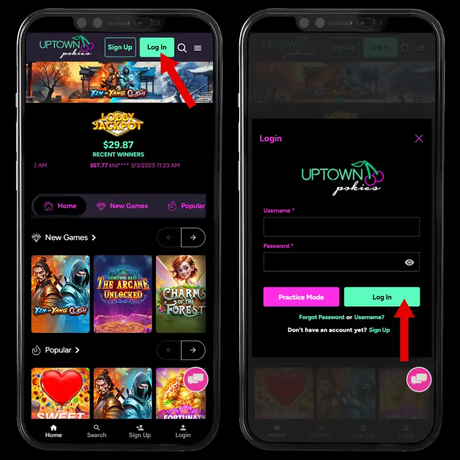
Imagine forgetting your password during a short break at work. Most players first look for recovery inside the sign-in area, then check whether help is available if the reset message does not arrive. That route should be visible without guesswork.
Technical problems often have simple causes. A weak connection, an outdated browser, too many open tabs, or an unfinished payment confirmation can interrupt a session. Before assuming the worst, players usually do well to refresh the page, clear cached data, change networks, or reopen the game from the lobby instead of browser history.
In 2026, that clarity is part of the product itself. Australian users expect mobile services to explain what happened, what to do next, and when patience is required. A casino that communicates well wastes less time and earns more confidence.